
Architecture as Humanitarian Infrastructure in Conflict Zones
Arslan Azeem
December 14, 2025
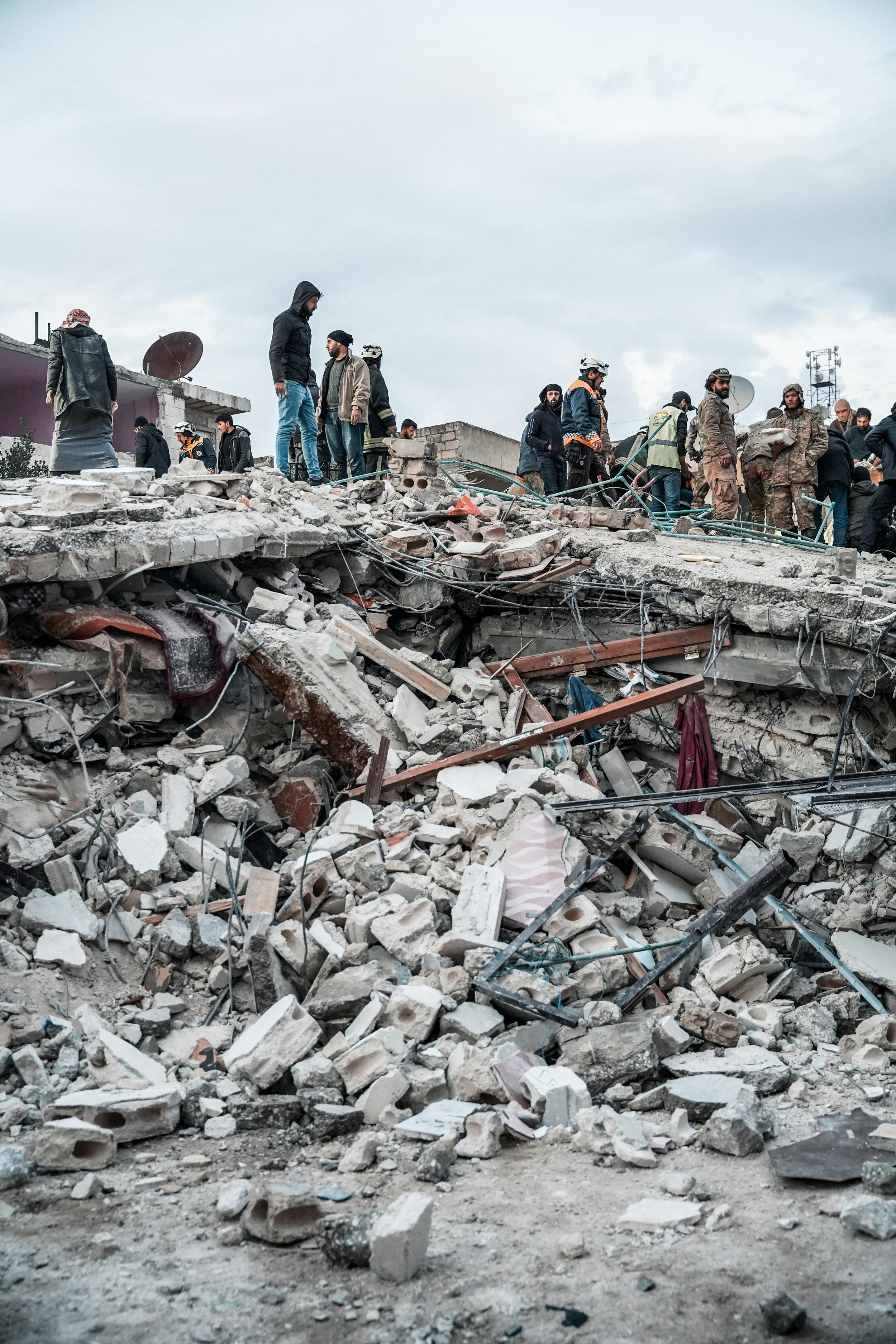
In areas of conflict, architecture, infrastructure, and urbanism are often seen as casualties of war rather than tools for survival. Despite this, good architectural and urban design can actively save lives before, during, and after violence takes place by reducing exposure to harm, supporting civilian resource needs, and enabling a just recovery. When buildings and settlements are designed with conflict realities in mind, architecture becomes a form of humanitarian infrastructure.
Protective design can directly reduce casualties. In areas exposed to shelling, airstrikes, or small-arms fire, reinforced pockets and strategic building orientation can lower injury and death rates. For example, schools in areas regularly suffering from terror attacks and shootings may build courtyards to shield occupants from blast fragments, place classrooms away from street fronts, and design entrance corridors that reduce sniper visibility. These measures also aid during natural disasters. In the United States, some schools have taken proactive safety measures by installing whiteboards that may transform into storm and gun shelters, particularly in areas known for hurricanes (Tryens-Fernandes, 2023).
Architecture can protect civilians from indirect and longer-term killers such as heat, cold, disease, displacement, and hunger. In protracted conflicts like in Yemen, more people die from exposure, illness, and hunger than from direct violence (Hanna et al., 2021). Well-designed shelters that incorporate passive cooling systems, cross-ventilation, insulation, and shaded outdoor spaces can prevent heatstroke, hypothermia, and respiratory illness. The best equipped spaces will have redundancy in utilities, such as backup generators, rain collection systems, and off-grid power. These design choices are desperately needed in refugee camps, and improved drainage, ventilation, thermal performance, and water access are what make the difference between basic tents and adequate shelter.
Urban layout and spatial planning matter as much as material design and building layout in increasing the safety of an area. Multiple escape routes in the form of secondary alleyways and internal pedestrian pathways help prevent mass-casualty events, whether related to human violence, fires, or other types of emergencies. This is why design codes for markets and plazas require multiple dispersed access points with clear signage. A community would also benefit from decentralized emergency services and concealed service routes, allowing first responders to quickly reach victims in areas with panicked crowds. A decentralized service system may also enable humanitarian operations to continue for longer throughout a conflict, as healthcare operators tend to be targets in wartime.
Post-conflict architecture reduces the root causes of future violence. Poor reconstruction can reignite conflict by reinforcing inequality, segregation, and insecurity. In contrast, inclusive housing design, shared public spaces, and transparent rebuilding processes mitigate revenge cycles and displacement-related deaths. Rebuilding efforts should also emphasize productive landscapes that create jobs, such as shared agricultural infrastructure embedded into community design, and marketplaces as a major third space. These economic opportunities will allow people to restore their livelihoods and social dignity, directly lowering recidivism rates.
Ultimately, the way a nation designs and builds its architecture, infrastructure, and urban networks affects how prepared for and resilient it is to future conflicts.
References
Hanna, T., Bohl, D. K., & Moyer, J. D. (2021, November). (rep.). Assessing the Impact of War in Yemen: Pathways for Recovery. United Nations Development Programme.
Tryens-Fernandes, S. (2023, March). Two Alabama classrooms now have $60,000 whiteboards that turn into gun, storm shelters. Advance Local Alabama. https://www.al.com/educationlab/2023/03/two-alabama-classrooms-now-have-60000-whiteboards-that-turn-into-gun-storm-shelters.html